
KEYNOTE SPEAKERS
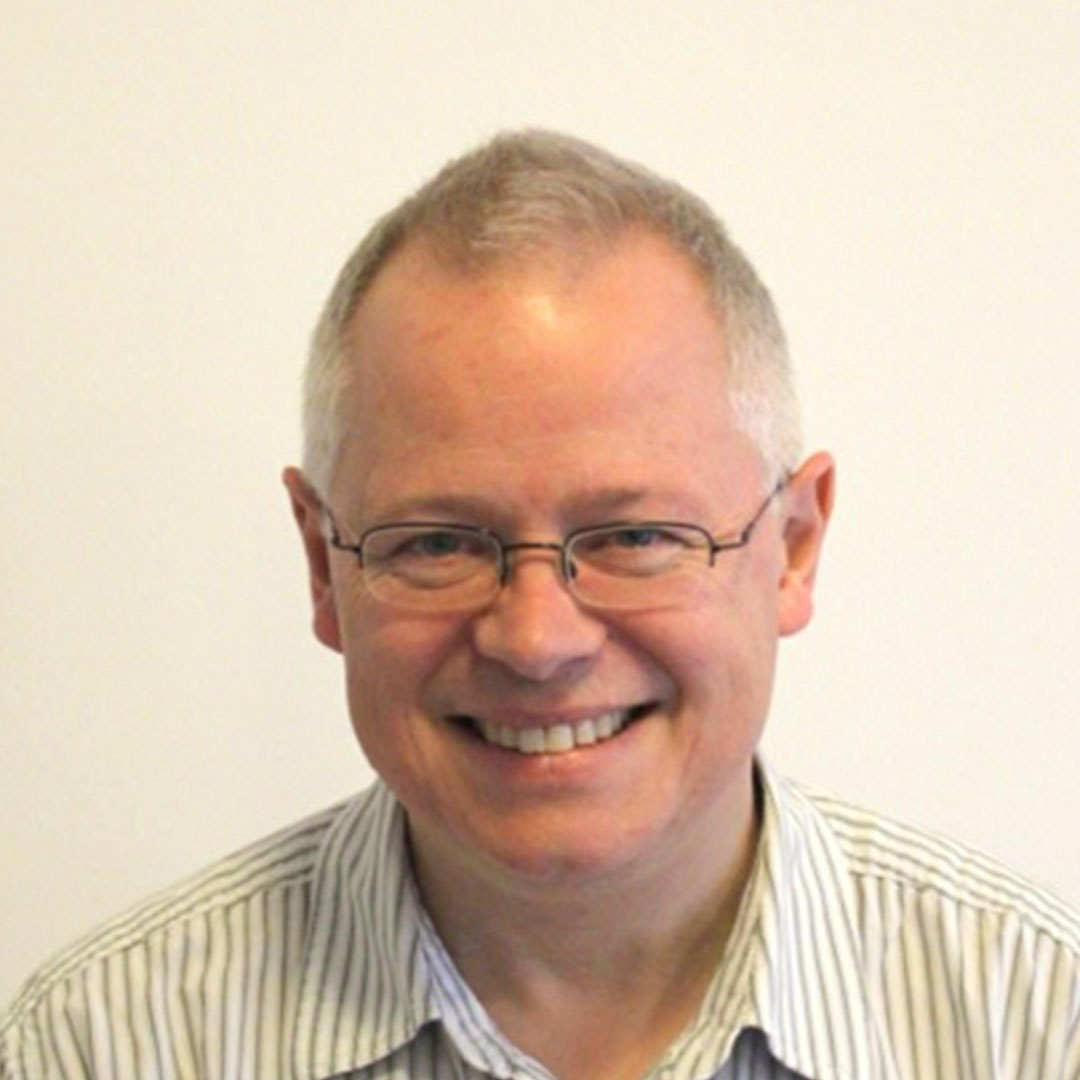
Prof. John Woodley,
Technical University of Denmark
John Woodley leads the Bioprocess Science group at the Technical University of Denmark (DTU). The group sits within the Department of Chemical and Biochemical Engineering, one of the largest Departments at DTU, and a leading center for chemical engineering research and teaching. John’s group works on the design of new bio routes to pharmaceuticals, fine chemicals and proteins, using fermentation and biocatalysis. In recent years’ the group has had a particular focus on oxidative biocatalysis, as well as studying enzyme stability under industrial conditions. The majority of the research is experimental, although this also supports modelling studies. The group has strong collaborations with other universities and especially industrial companies, exploring possibilities for bioprocess implementation and scale-up. Prof. Woodley is a Fellow of the Institution of Chemical Engineers (UK) and a Fellow of the Royal Academy of Engineering (UK).
KEYNOTE SPEAKERS
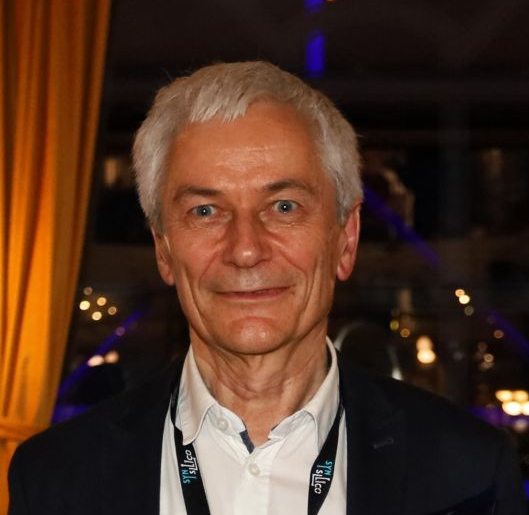
Prof. Roland Wohlgemuth,
Łódź University of Technology
Roland Wohlgemuth studied chemistry and biology at the University of Basel, where he received his doctoral degree working on the structure and dynamics of phospholipid membranes with Prof. Dr. Joachim Seelig at the Biocenter of the University of Basel. He then received a Swiss National Science Foundation Award and did postdoctoral work with Prof. Dr. Melvin Calvin at the Lawrence Berkeley Laboratory (LBL) and the University of California in Berkeley. He was employed by the US Department of Energy as research scientist in artificial photosynthesis working with Melvin Calvin at the Lawrence Berkeley Laboratory (LBL) and the University of California in Berkeley. He then returned to Switzerland to lead the bioanalytical laboratories, to build up biochemistry/biotechnology at Fluka, and to build research, development and production laboratories of the biochemistry department. Fluka subsequently became part of the Sigma-Aldrich Corporation, which as a whole was acquired in 2015 by the Merck Group. Roland Wohlgemuth has been involved in national, bilateral and European research projects, teaching biocatalysis and biotransformation courses and moved from industry to academia, working as Professor at Łódź University of Technology. Roland Wohlgemuth is Member of the STRENDA commission and serves as President of the European Society of Applied Biocatalysis (ESAB) and the Swiss Coordination Committee Biotechnology (SKB). He received the Biocat 2024 Lifetime Award.
KEYNOTE SPEAKERS
INVITED SPEAKERS
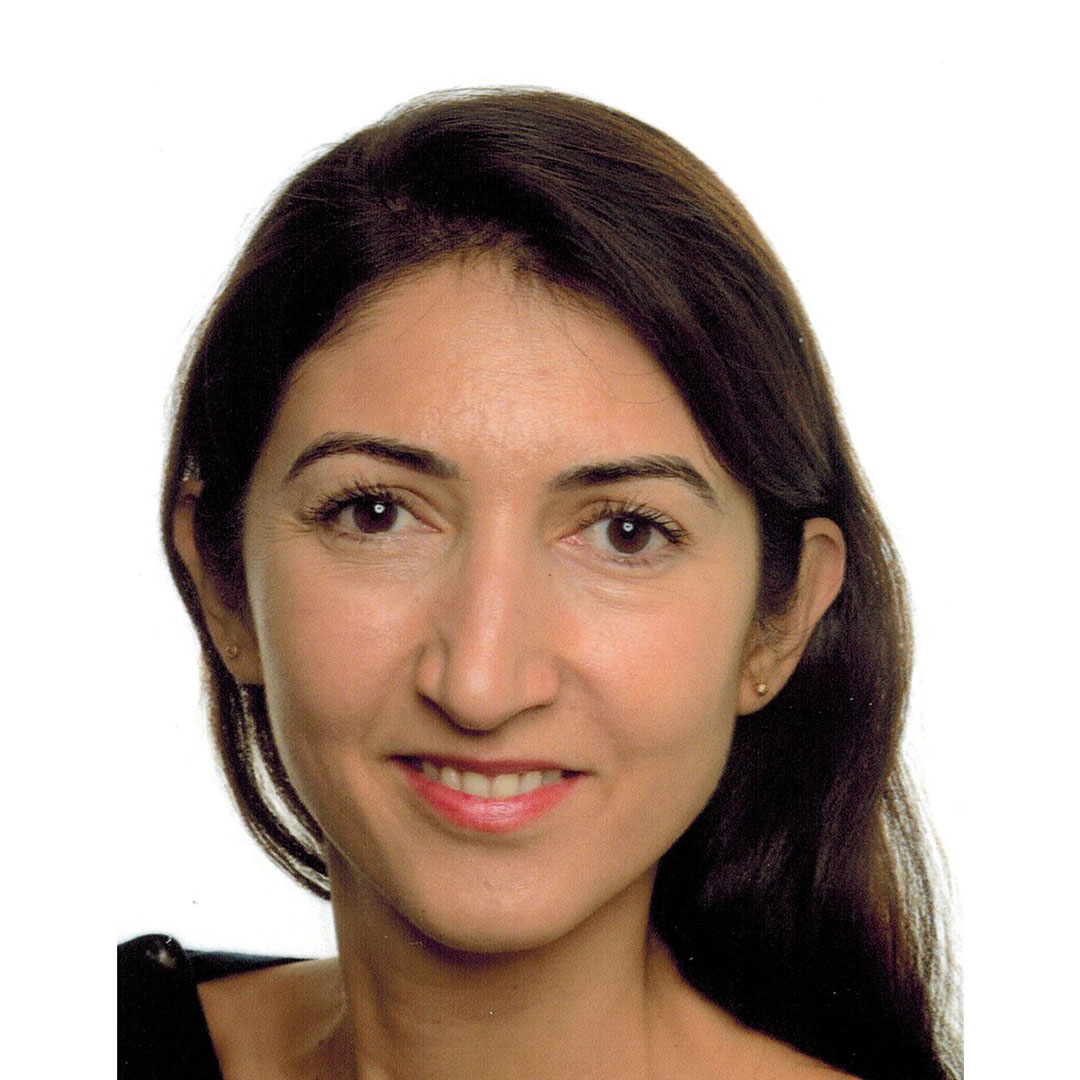
Prof. Selin Kara,
Aarhus University (Denmark) and
Leibniz University Hannover (Germany)
Prof. Selin Kara received her Ph.D. in Bioprocess Engineering from Hamburg University of Technology (TUHH), where she specialized in technical biocatalysis. Her PhD thesis focused on reaction engineering, online monitoring & modelling, and process optimization of enzymatic C–C bond formations. Following a postdoctoral position at TU Delft (2011–2013), she began her Habilitation in Molecular Biotechnology at TU Dresden. In 2015, she returned to TUHH to lead the Reaction Sequences group, completing her Habilitation in Biotechnology and Bioprocess Engineering in 2018. Since July 2018, she has been leading the “Biocatalysis and Bioprocessing” Group at Aarhus University. In parallel, she has been the Head of the Institute of Technical Chemistry at Leibniz University Hannover since October 2021.
INVITED SPEAKERS
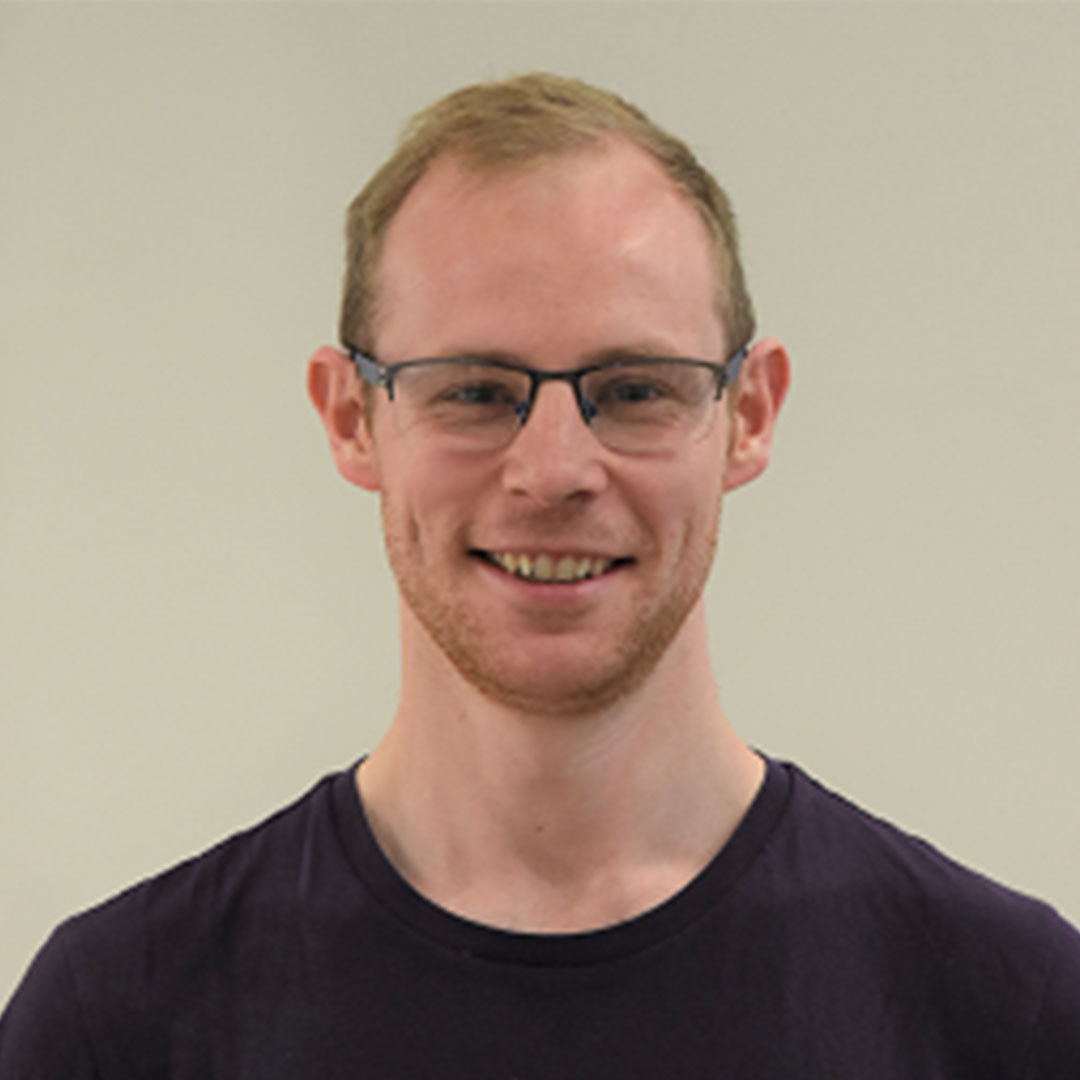
Dr. Sebastian Cosgrove,
Keele University
Seb is a senior lecturer in organic chemistry at Keele University. He obtained an MChem degree at the University of Manchester, before moving to the University of Leeds to undertake a PhD in synthetic organic photochemistry with Prof Steve Marsden. After postdoctoral work in the Manchester Institute of Biotechnology with Profs Nick Turner, Sabine Flitsch and Nigel Scrutton, he moved to Keele in 2020 to start his own group. His group’s research focusses on bioprocess development for the improved synthetic performance of in vitro biocatalysts. This includes applying enzyme immobilisation and continuous flow technologies to a broad range of enzyme classes.
INVITED SPEAKER
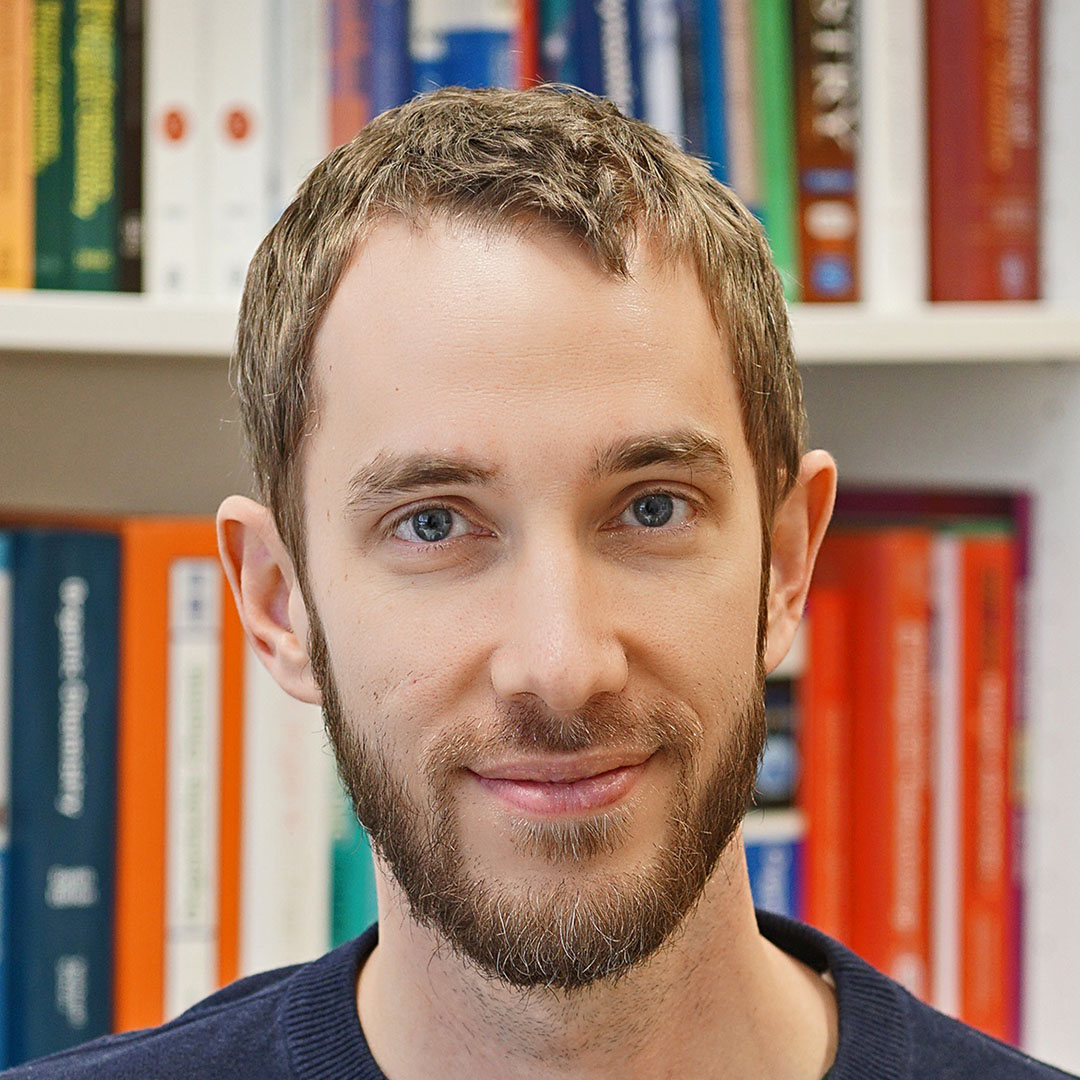
Dr. Joerg Schrittwieser,
University of Graz
Joerg Schrittwieser completed his master’s studies in 2008 and his PhD in 2011 under the guidance of Prof. Wolfgang Kroutil at the University of Graz (Austria). After a post-doctoral stay at TU Delft (The Netherlands) with Prof. Frank Hollmann, financed through an ‘Erwin Schrödinger’ fellowship from the Austrian Science Fund, he returned to the University of Graz in 2013 as a university assistant. There, Dr. Schrittwieser became a permanent staff scientist in 2018 and obtained his habilitation in organic chemistry in June 2024. His research interests include biocatalytic asymmetric reduction, multi-enzymatic and chemo-enzymatic cascade reactions, and the chemo-enzymatic synthesis of natural products, in particular alkaloids.